

RUTH STAGE | METHODOLOGY
Diagnostic Immersion
THE ACTOR AS ANALYST AND SUBJECT
Diagnostic immersion (n.)
A two-phase acting methodology in which a character is first psychologically diagnosed and then fully inhabited in performance.
PHASE I — DIAGNOSIS
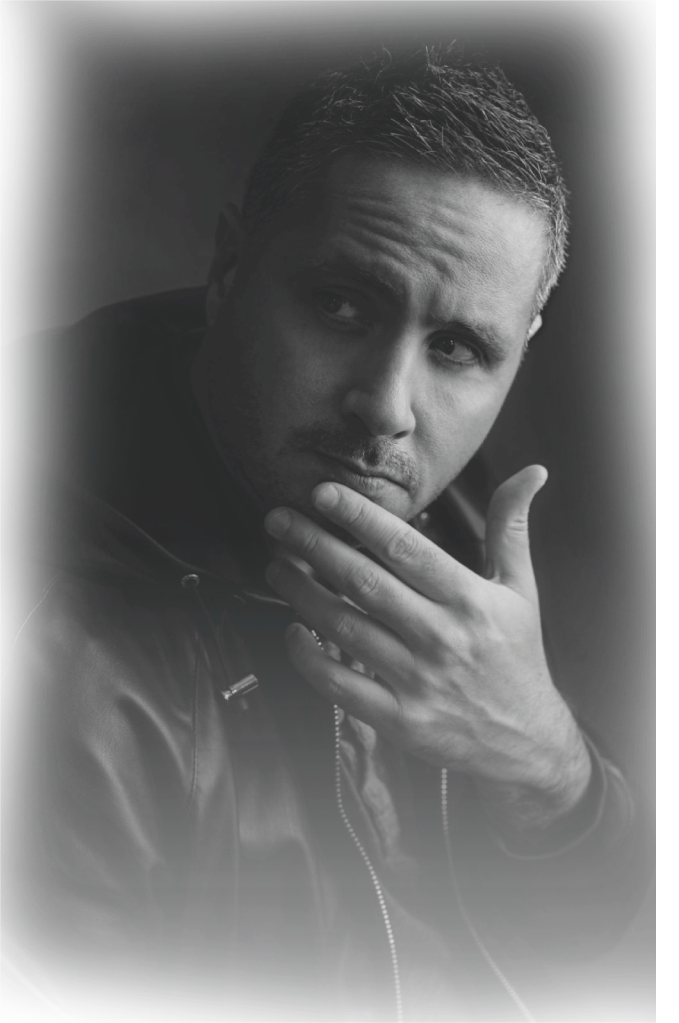
Diagnostic Immersion is an acting methodology developed by Matt de Rogatis that approaches character creation through rigorous psychological analysis followed by complete emotional inhabitation of the resulting diagnosis.
The process unfolds in two distinct phases. First, the actor examines the character through a diagnostic lens, much like a clinician evaluating a patient. This includes but is not limited to: identifying formative trauma, defense mechanisms, personality structures and behavioral contradictions that shape the character’s inner life.
PHASE II — INHABIT
In the second phase, the actor fully inhabits that diagnosis, allowing the psychological framework to guide instinct, behavior and emotional response in performance. In this way, the performer becomes both analyst and subject, investigating the character and then living truthfully within the conclusions of that investigation.
APPLICATION
This approach has informed many of de Rogatis’s most psychologically charged performances with Ruth Stage, particularly in works by playwrights such as Tennessee Williams, Edward Albee and William Shakespeare. More specifically, his interpretation of "Brick" in Ruth Stage's off Broadway premieres of Cat on a Hot Tin Roof, by Tennessee Williams, emerged from a deep psychological excavation of the character’s repression, trauma and internalized conflict. Through this analysis, de Rogatis identified a destructive narcissistic family system that shaped "Brick’s" emotional withdrawal and produced pronounced schizoid traits such as detachment, suppressed rage, alcoholism and unpredictable behavioral volatility.
Rather than the traditionally passive, alcohol-soaked interpretation often associated with the role, his "Brick" appeared as a tightly coiled presence capable of sudden emotional eruption. Critics noted the performance for its intensity and unpredictability, describing a character that felt less defeated than dangerously alive. A live wire flickering beneath the surface.
While the methodology has produced striking reinterpretations of iconic stage roles from the classical canon, Diagnostic Immersion is not limited to just the theater. The process offers a comprehensive framework for approaching character across all forms of performance, including contemporary drama, film, television and new works. The philosophy is informed not only by de Rogatis’s work on stage but also by his academic background - holding multiple degrees in psychology, arts and literature, including a master’s degree from Rutgers University. Through this union of psychological inquiry and performance practice, Diagnostic Immersion has become a defining philosophical thread within Ruth Stage's artistic identity.
Actors interested in learning more or registering for upcoming Diagnostic Immersion Intensives may contact Ruth Stage HERE.

CRITICAL RESPONSE
"One of the most exciting and original actors I've seen in a long while."
Austin Pendleton — Theatre Luminary & Tony Nominee"…compellingly finds the violence and identity crisis at Brick's core."
The New York Times"Every once in a while, you see an actor grab a famous role and all but shout from the stage, 'This one's mine.' And then go on to make prior interpreters, outstanding as they may have been, fade for the enthralling moment."
New York Stage Review
"Perfectly acted. Matt de Rogatis is a star. A+"
Dave Carlin, CBS News Journalist“Matt de Rogatis finds fresh nuances in the character, investing Brick with a coiled tension and an extra note of danger… This Brick is sitting on an arsenal of unacceptable emotions.”
David Barbour, Drama Desk Co-President